NIKON D800

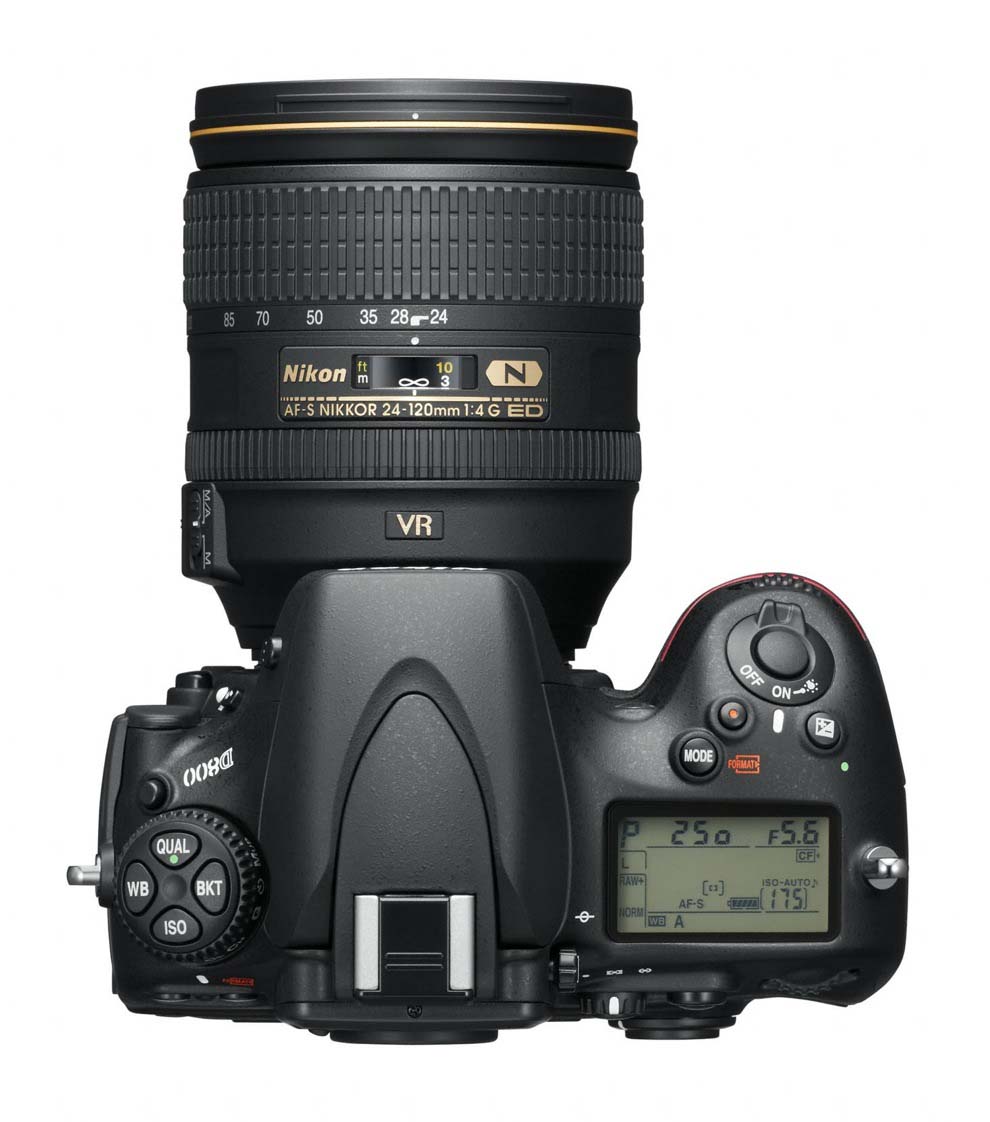
The Nikon D800 is a full-frame 36 Megapixel DSLR with Full HD video
capabilities. Announced in February 2012, it arrives three and a half
years after the D700, Nikon's first 'affordable' full-frame DSLR. Three
and a half years is a long time in the digital camera industry and to
describe the D800 merely as highly-anticipated feels like an injustice.
This is a camera which many people have been waiting a very long time
for and Nikon has pulled-out all the stops.
The D800 features a brand new 36 Megapixel full-frame FX-format
sensor, which makes it the highest resolution camera outside of the
medium format world. That's one third more than Nikon's previous
flagship, the D3x, more than a third higher than Canon's EOS 5D Mark
III, and a whopping three times more than the D700. I'll go into much
more detail later, but anyone with concerns over noise should find it
reassuring the D800 shares essentially the same pixel density as the
D7000 which bodes well for quality and dynamic range.

The earlier D700 predated the video revolution on DSLRs, so
it's not surprising to find the D800 making major upgrades in this
respect - indeed the D800 shares almost exactly the same video
specifications as the D4 which means you get 1080p and 720p at maximum
frame rates of 30 and 60fps respectively, along with an external
microphone input, headphone jack and uncompressed HDMI output. The D800
also inherits the 51-point AF system of the D4 along with its 91k
metering sensor and 3.2in screen. The D800 is additionally available in a
D800E version with a modified low pass filter for those who want manage
their own moiré and potentially unlock the maximum detail from the
sensor. There's loads to discuss and digest so in my review I'll explain
the new features in detail and what impact they'll have in practice,
while also comparing it closely to its arch rival, the Canon EOS 5D Mark
III.
 The Nikon D800 is a full-frame 36 Megapixel DSLR with Full HD video
capabilities. Announced in February 2012, it arrives three and a half
years after the D700, Nikon's first 'affordable' full-frame DSLR. Three
and a half years is a long time in the digital camera industry and to
describe the D800 merely as highly-anticipated feels like an injustice.
This is a camera which many people have been waiting a very long time
for and Nikon has pulled-out all the stops.
The Nikon D800 is a full-frame 36 Megapixel DSLR with Full HD video
capabilities. Announced in February 2012, it arrives three and a half
years after the D700, Nikon's first 'affordable' full-frame DSLR. Three
and a half years is a long time in the digital camera industry and to
describe the D800 merely as highly-anticipated feels like an injustice.
This is a camera which many people have been waiting a very long time
for and Nikon has pulled-out all the stops.

No comments:
Post a Comment